Impact of Remote Work Policies on Employee Performance in Pakistan’s Education Sector
DOI:
https://doi.org/10.63056/lsjmiss.1.3.2025.107Keywords:
Remote employment policies; employee performance; education sector; work autonomy; managerial assistance; Pakistan; higher educationAbstract
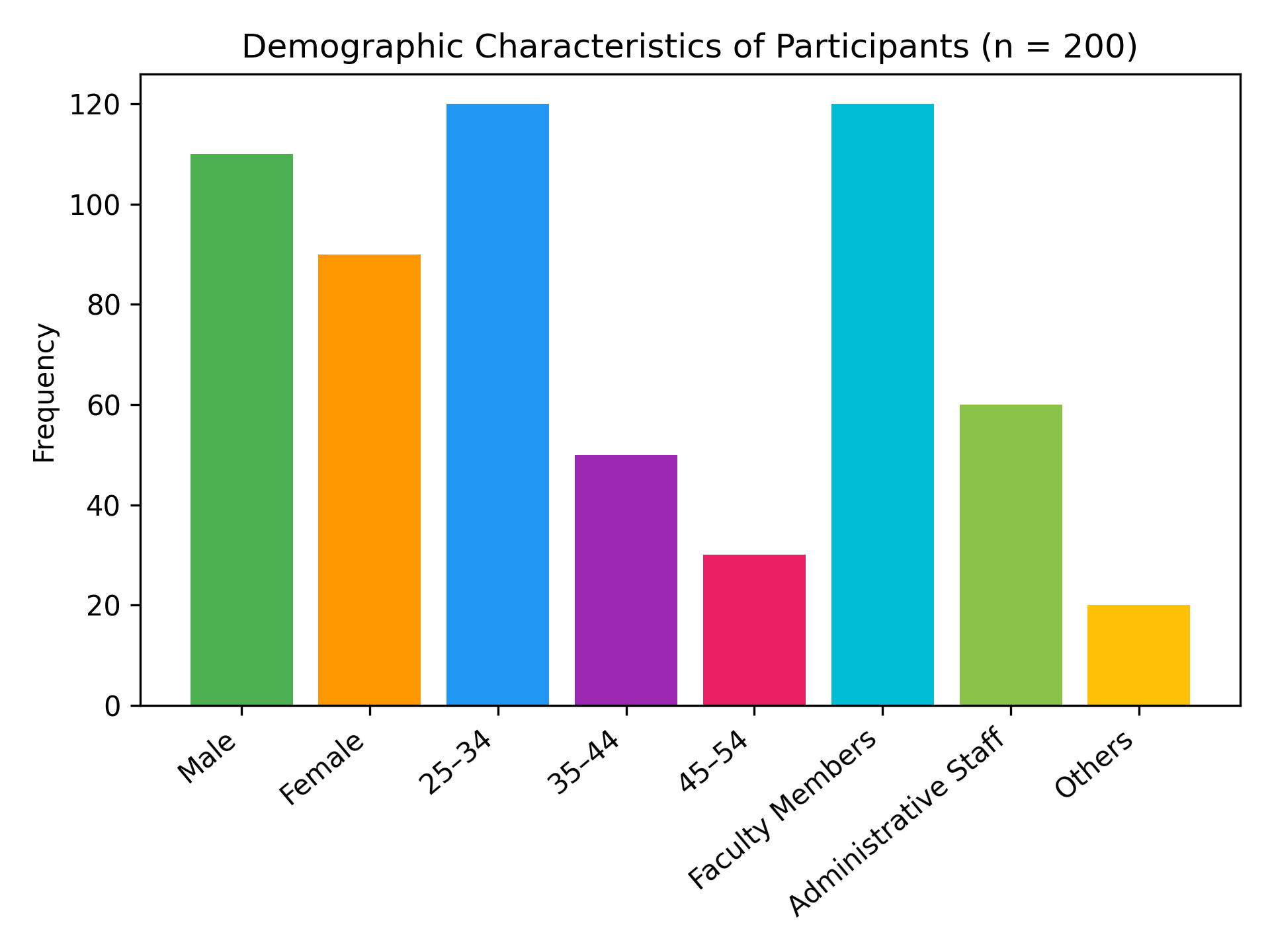
The remote work policies have gained relevance in the education sector especially after the global change brought about by the COVID-19 pandemic. These policies provide flexibility and less work time, commuting time and possibilities of better work-life balance; however, their influence on employee performance is not studied in Pakistan. The paper explores how the remote work policy can influence the performance of employees in higher education institutions in Pakistan among teachers and administrative workers. It was a quantitative study, which involved a survey of 200 employees of the selected universities in the Multan district. The paper discusses the aspects of remote work, such as work autonomy, communication effectiveness, use of technology, and managerial support, and how they correlate with the outcome of employee performance in terms of productivity, quality of work, and engagement. Results indicate that properly executed remote work policies have a positive impact on the performance of employees, their job satisfaction, and overall efficiency in an institution. The analysis can guide the policymakers and administrators of the university to maximize the benefits of remote working and remain high-performance organizations.
Downloads
Published
How to Cite
Issue
Section
License
Copyright (c) 2025 Saddam Hussain

This work is licensed under a Creative Commons Attribution 4.0 International License.