Impact of Health and Physical Education on Students' Academic Performance
DOI:
https://doi.org/10.63056/jllsa.2.7.2026.242Keywords:
Health Education, Physical Education, Academic Performance, Students, School Health, Physical Activity, Educational AchievementAbstract
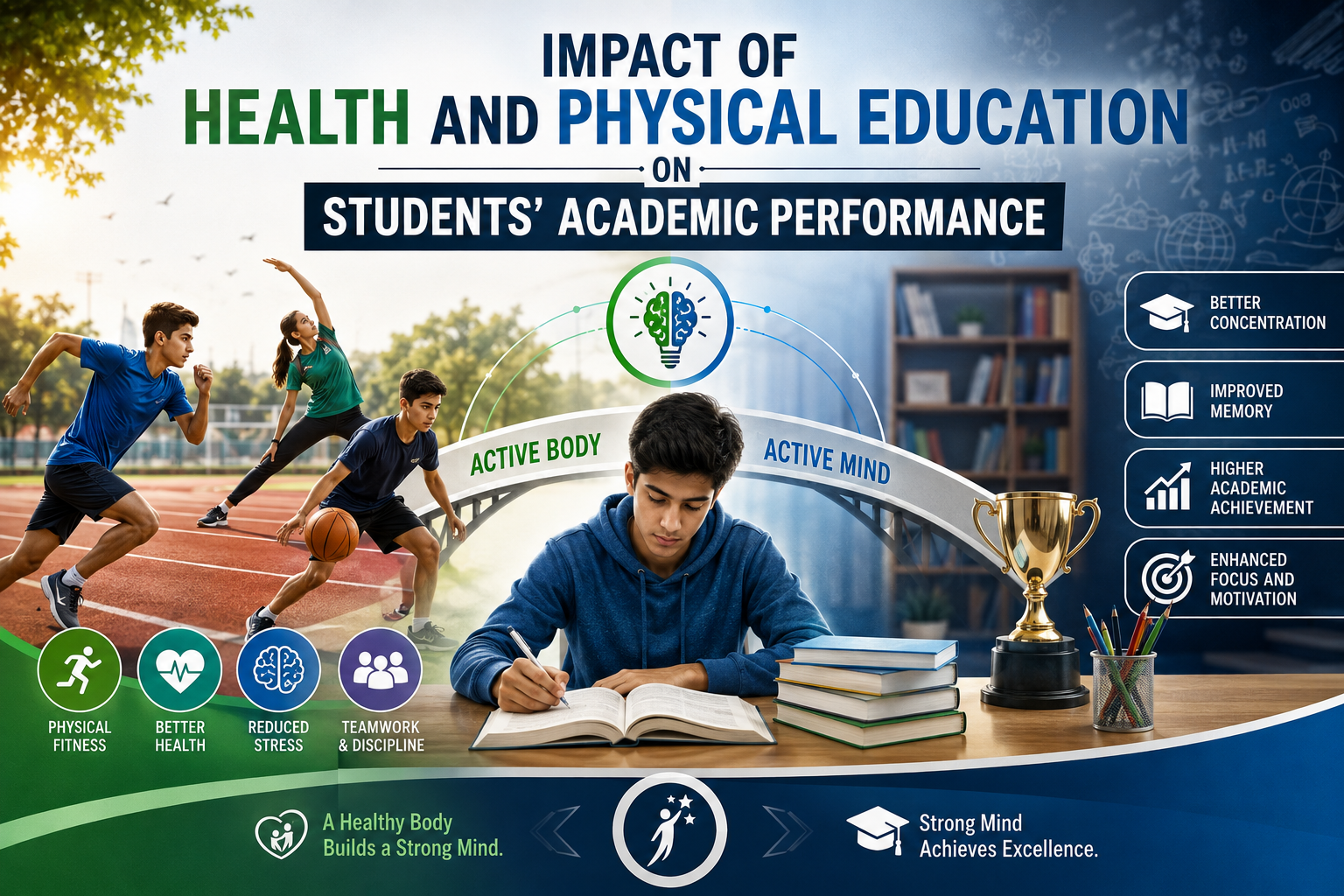
Health and Physical Education (HPE) has become an essential component of modern educational systems because of its significant contribution to students' physical, psychological, social, and academic development. While the traditional purpose of physical education was to improve physical fitness and motor skills, recent evidence suggests that participation in structured health and physical education programs positively influences students' academic performance by enhancing concentration, memory, cognitive functioning, classroom behavior, and emotional well-being. The growing prevalence of sedentary lifestyles, obesity, stress, anxiety, and poor physical activity among school-aged children has further increased the importance of integrating effective health and physical education programs into school curricula. This study reviews existing evidence regarding the relationship between health and physical education and students' academic performance. The paper examines how regular participation in physical education contributes to improved academic achievement through multiple pathways, including enhanced cardiovascular fitness, improved brain function, better classroom engagement, reduced absenteeism, stronger self-esteem, and healthier lifestyles. Previous studies consistently indicate that students participating in regular physical education demonstrate higher academic achievement than those with limited opportunities for physical activity. Furthermore, school-based physical education contributes to the development of discipline, teamwork, leadership, communication skills, and emotional resilience, all of which indirectly support academic success. The study also discusses international perspectives regarding health education policies and highlights the importance of strengthening physical education programs within educational institutions. The findings suggest that investment in quality health and physical education should be considered an educational priority rather than merely a recreational activity. Educational policymakers, curriculum developers, teachers, and school administrators should recognize physical education as an effective strategy for improving both student health and academic outcomes.
Downloads
Published
How to Cite
Issue
Section
License
Copyright (c) 2026 Hassam Khan Jadoon

This work is licensed under a Creative Commons Attribution 4.0 International License.